Canonbury Square Man and Van Tips for Tight Access
Moving in and out of Canonbury Square can feel simple on paper, then suddenly the van is there, the doorway is narrow, the staircase is awkward, and the nearest place to stop is not quite where you hoped. That is exactly where smart Canonbury Square man and van tips for tight access make a real difference. A well-planned move in a Victorian square, mews-style side street, or terraced London property is less about brute force and more about timing, angles, and clear communication.
In this guide, you will find practical advice for narrow entrances, shared access, awkward parking, and the small details that save time on moving day. We will cover how tight-access jobs work, what to prepare in advance, where people usually go wrong, and how to keep the whole process calm rather than chaotic. Truth be told, a few minutes of planning can spare you a lot of sweating, and possibly a bruised knuckle or two.
If you are comparing options or checking service details as you plan, it can also help to review pricing and quotes, read the terms and conditions, and look at the company's insurance and safety information before booking. That way you are not guessing.
Table of Contents
- Why tight-access moving matters in Canonbury Square
- How a man and van move works when access is tight
- Key benefits and practical advantages
- Who this is for and when it makes sense
- Step-by-step guidance for a smoother move
- Expert tips for better results
- Common mistakes to avoid
- Tools, resources and recommendations
- Law, compliance, standards and best practice
- Options, methods, and comparison table
- Case study or real-world example
- Practical checklist
- Conclusion
- Frequently Asked Questions
Why Canonbury Square man and van tips for tight access Matters
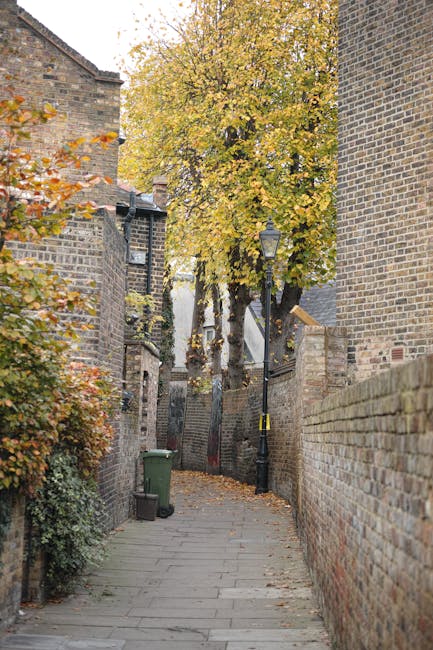
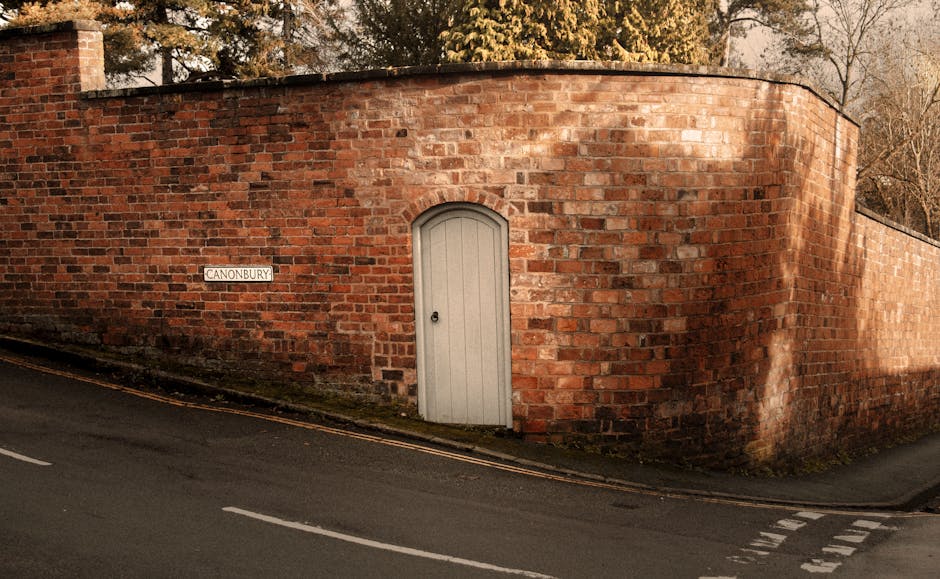
Canonbury Square and the surrounding Islington streets often come with the kind of access that looks manageable until moving day. You may have a narrow front path, a shared entrance, railings, basement steps, a low arch, or parking that sits a little too far from the door. None of that is unusual in London. But it does mean a standard, one-size-fits-all removals plan is usually not enough.
Tight access matters because every extra metre adds time, effort, and risk. A sofa that would be easy on a wide driveway can become awkward if it has to pass a door frame at an angle, turn on a landing, and clear a narrow hallway. Add a busy weekday road, a weather change, or a neighbour trying to get past with a buggy, and the job becomes more delicate. Not impossible. Just different.
For many people, the real issue is not the size of the move, but the fit between the property and the vehicle. That is why tight-access planning is more about problem-solving than muscle. A sensible man and van setup can often handle compact house moves, studio flats, student lets, and single-item collections efficiently, provided the access details are known early.
Expert summary: In tight-access areas, the best move is the one planned around the property, not the van. Measure first, park smartly, keep the route clear, and make sure everyone knows where the bottlenecks are before the first box is lifted.
If you want a company background before booking, the about us page is a useful place to check how the team approaches local removals, while the health and safety policy gives a clearer picture of how risk is managed on site.
How Canonbury Square man and van tips for tight access Works
A man and van service for tight access usually works best when the move is broken into small, controlled stages. The van is only one part of the process. The route from room to van matters just as much, sometimes more.
Here is the basic flow. First, the access is assessed. That may be done over the phone, with photos, or through a site visit if needed. Then the vehicle type, arrival time, and load order are chosen around the space available. On the day, the team parks as close as legally and safely possible, protects doorways and floors where needed, and moves items in an orderly sequence so there is less backtracking.
What does that mean in practice? If the front entrance is tight, a flat-screen TV should not be buried under heavy boxes. If the stairwell is narrow, the largest items should be taken out when the route is clear. If the road is busy, the loading plan may need to be shorter, sharper, and more disciplined. A little choreography, basically.
For readers comparing the booking side of things, the contact us page is the natural next step if you need to talk through access issues in advance, and the payment and security page can help reassure anyone who prefers to check the practical bits before confirming.
Tight-access moves often succeed because someone asked one simple question early: what will actually fit where? That question tends to save the day more often than people expect.
Key Benefits and Practical Advantages
When a man and van service is planned well for Canonbury Square's tighter properties, the advantages are immediate. The move feels less rushed, items are handled more carefully, and the team can work without constant stop-start adjustments.
- Less damage risk: fewer awkward carries means fewer knocks to walls, banisters, and furniture edges.
- Better time control: when access is known, the loading sequence becomes more efficient.
- Lower stress: you are not trying to solve parking, packing, and access all at once.
- More suitable vehicle choice: a smaller van may be far better than an oversized one that cannot get near the property.
- Cleaner handover: with the route mapped, the move-in or move-out feels more orderly.
There is also a quiet financial benefit. Tight-access jobs can become more expensive when delays build up, because the team spends more time doing less useful lifting. That is why accurate quotes matter. A properly scoped job is usually better value than a cheap quote that turns into an awkward, time-consuming day.
For sustainability-conscious customers, it can be reassuring to know how unwanted items are handled. If disposal or donation is part of your move, the recycling and sustainability page may be worth a look. It is not glamorous, but it matters. Moving creates clutter, and clutter has to go somewhere.
Who This Is For and When It Makes Sense
Not every move in Canonbury Square needs specialist planning, but plenty do. If any of the following sound familiar, tight-access thinking is probably useful for you.
- You live in a flat with a narrow staircase or shared hallway.
- You are moving from a period property with small door openings.
- There is restricted parking close to the building.
- You have awkward furniture such as wardrobes, sofas, or bed frames.
- You need a same-day or short-notice move and cannot afford surprises.
- You are handling a student move, single-room relocation, or small office transfer.
It also makes sense for people moving only a few items. A man and van is often the right scale for a one-bedroom flat, a deposit move, or a storage run. You do not always need a full removals lorry. In fact, in a tight access street, a smaller vehicle can be the smarter choice. A massive van parked badly is just a problem with doors on it.
If you are unsure what level of service fits your job, start with a proper quote and ask for practical advice rather than just a price. The team at pricing and quotes can usually help you think through vehicle size, timing, and the likely load.
Step-by-Step Guidance
A tight-access move becomes much easier when you treat it like a sequence rather than a scramble. Here is a realistic step-by-step approach.
1. Measure the route, not just the room
People often measure a sofa and forget to measure the hallway. Check door widths, corridor turns, stairs, and any narrow external path. If a wardrobe can fit through the front door but not around the stair landing, that matters more than the room size.
2. Photograph the access points
Send clear photos of the entrance, street, parking area, stairwell, and any obstacles. A few straightforward pictures can show more than a long explanation. If the route includes a sharp turn or awkward step, show that too.
3. Confirm parking reality early
Do not assume the van will stop directly outside. In Canonbury Square, the available space may depend on time of day, resident demand, and road layout. Plan for a realistic walking distance between van and door. Better to know it now than mutter about it later.
4. Declutter before moving day
Every unnecessary item adds time at the narrowest point of the route. Break down boxes that are too bulky, remove loose fittings from furniture, and decide what you do not want to take. This is especially useful if stairs are involved.
5. Load in the right order
In tight access, the load order matters more than people think. Keep the first items out of the van easy to reach and put the heaviest or most awkward items where they can be handled with space. If you need one item at the far end of the van buried under six boxes, that is when everyone starts sighing quietly.
6. Protect the pinch points
Doorframes, corners, banisters, and flooring are the usual trouble spots. Use blankets, covers, and careful handling. A small scrape in the middle of a move can be the kind of thing you notice all week.
7. Keep the walkway clear
On the day, make sure pets, prams, bins, and loose bags are out of the route. If you share access with neighbours, let them know the plan. A calm ten-second conversation at the right moment can prevent an irritating delay.
8. Check the final sweep before departure
Once the van is loaded, walk the route one last time. Look behind doors, under beds, and in cupboards. It sounds obvious, but the forgotten charger, key drawer, or envelope is a classic moving-day surprise.
Expert Tips for Better Results
These are the little things that often separate a decent move from an easy one.
- Choose the van to suit the access, not the load alone. A slightly smaller van that parks properly can outperform a larger one that has nowhere to sit.
- Book a sensible time slot. Early mornings are often calmer for loading, though every street has its own rhythm.
- Use labels that actually help. "Kitchen," "books," and "fragile" beat vague notes like "stuff" every time.
- Keep essentials separate. Documents, chargers, medicines, and keys should stay with you.
- Think about the weather. A wet entrance or slippery step changes the handling more than people expect.
- Make one person the point of contact. Too many instructions can slow everything down.
A small, slightly old-school tip: keep a roll of tape and a marker handy. It is nothing fancy, but on a narrow landing it can save a lot of head scratching. You will be glad you did. Probably around minute forty-seven, when the boxes start to blur together.
For anyone who values clear expectations, it is sensible to review the provider's health and safety policy and insurance and safety information before the day arrives. Good planning is useful; good back-up is better.
Common Mistakes to Avoid
Most tight-access problems are avoidable. The trouble is, they are easy to underestimate before the job begins.
- Assuming the van can park anywhere: parking and stopping restrictions can change the whole move.
- Not measuring large furniture: a sofa that "looks fine" may still not turn the stair corner.
- Leaving packing until the last minute: rushed packing creates weak boxes and awkward shapes.
- Ignoring shared access: if other residents use the same hallway, you need to keep the route practical for them too.
- Overfilling boxes: heavy boxes are harder to carry through narrow spaces and more likely to split.
- Not telling the mover about steps or lifts: even a single unexpected step can affect the handling plan.
One of the most common oversights is the front door itself. People focus on the room, then realise the item must first pass a tight porch, a sharp threshold, or a small exterior step. It happens all the time. Annoying, but fixable if spotted early.
If there is any doubt about what is included in the booking, check the terms and conditions and ask before moving day. That is far better than finding out in the middle of the staircase.
Tools, Resources and Recommendations
You do not need a professional workshop to make a tight-access move easier. A handful of simple tools and a bit of preparation go a long way.
- Furniture blankets or covers: useful for protecting corners and polished surfaces.
- Straps or webbing: helpful for securing awkward items and improving grip.
- Tape and labels: essential for organising boxes by room or priority.
- Gloves with grip: can make stair carries safer and less slippery.
- Door wedges: handy when a door needs to stay open during loading.
- Phone photos: perhaps the simplest tool of all for showing access constraints clearly.
On the service side, a good provider should be happy to discuss access before the booking is finalised. If you need to arrange timing, service scope, or a quick check on whether your job is suitable, the best route is usually direct contact through the contact page. That conversation can save a surprising amount of hassle.
If your move includes items you do not want to take, a sensible removal service should also be able to explain what happens next in a way that feels clear and proportionate. The recycling and sustainability page is useful here, especially if you want a tidier end to the move rather than an extra pile of decision-making in the hallway.
Law, Compliance, Standards and Best Practice
For a local man and van move, the most important legal and practical points are usually about safety, insurance, and responsible handling rather than complex regulation. That said, best practice matters. A mover should use safe lifting methods, avoid blocking access for others, and respect parking rules, building rules, and neighbour access.
If there is a shared entrance, common hallway, or managed property, it is wise to check any building instructions in advance. Some blocks prefer specific loading arrangements, lift protection, or a booked time window. None of that is unusual. It is just the sort of thing that makes a move feel organised instead of messy.
Insurance is another sensible topic to clarify early. You do not need a lecture, just plain English: what is covered, what is not, and how claims would be handled if something unfortunate happened. A trustworthy provider should be able to answer that directly. If the explanation feels vague, ask again. That is not being difficult. That is being sensible.
For customers who value transparency, useful trust pages include about us, insurance and safety, health and safety policy, and terms and conditions. Those pages help set expectations before the van arrives at the kerb.
Options, Methods, or Comparison Table
Different access situations call for different approaches. The best option depends on distance to the van, item size, and how many stairs or turns are involved.
| Approach | Best for | Strengths | Watch-outs |
|---|---|---|---|
| Small man and van | Studios, single rooms, light flat moves | Easier parking, quicker loading, good for tight streets | May require more trips if the load is larger than expected |
| Standard removals van | Medium household moves | Balances capacity and flexibility | Can be awkward if the street is especially narrow |
| Full removals vehicle | Larger homes or larger inventories | High capacity, fewer return journeys | Not always suitable near tighter access points |
| Hybrid approach | Moves with some bulky items and limited access | Can combine smaller vehicle access with efficient load planning | Needs careful coordination and clear timing |
For Canonbury Square, the hybrid or smaller-vehicle approach is often the most practical when parking is uncertain or the entrance is awkward. Not always, but often. The winning method is the one that matches the property, not the one that sounds impressive on paper.
Case Study or Real-World Example
Here is a realistic example. A tenant moving from a top-floor flat near Canonbury Square had a narrow internal staircase, a shared front entrance, and only limited kerbside space. The larger items were a bed frame, a two-seat sofa, and several heavy boxes of books. Nothing exotic, just the kind of load that quietly becomes annoying if the access is poor.
Instead of treating the move as a standard collection, the items were packed in the order they would be needed, with the sofa and bed positioned for easy removal. The tenant sent photos of the stair turns and front steps in advance, which helped the team plan the carrying route. The van was kept small enough to work with the street layout, and the loading window was timed to avoid the busiest part of the day.
The result was simple: fewer delays, fewer awkward lifts, and no last-minute panic about whether the wardrobe would make the turn. A pretty ordinary move, really, but a good one. And that is usually the point. The best tight-access move is the one that does not feel dramatic at all.
This is also where transparent booking information matters. If you are planning something similar, it is worth checking the provider's pricing and quotes and payment and security details so you know exactly what to expect before the day begins.
Practical Checklist
Use this quick checklist a day or two before the move. It keeps the essentials in one place.
- Measure doorways, stair widths, and any tight turns.
- Photograph the entrance, stairwell, and parking area.
- Confirm the van size and access plan with the mover.
- Clear the walkway inside and outside the property.
- Set aside keys, documents, chargers, and essentials.
- Label boxes by room and priority.
- Break down bulky items where possible.
- Check whether parking near the property is realistic.
- Protect floors, corners, and vulnerable surfaces.
- Review insurance, safety, and booking terms.
If there are any access concerns at all, it is worth raising them early. Even a quick note about a low gate, a tight staircase, or a shared hallway can change the plan for the better.
Conclusion
Canonbury Square man and van tips for tight access are ultimately about removing uncertainty. Measure what matters, choose the right vehicle, communicate the awkward bits early, and keep the route as clear as possible. That is the heart of it.
A well-run tight-access move does not need to be complicated. It needs to be thoughtful. And if you are moving in a place where the walls are close, the parking is tight, and the stairs seem to have a personal grudge, thoughtful planning is your best friend.
Get a free quote today and see how much you can save.
For a smoother next step, you can also review the company's about us, contact us, and complaints procedure pages so you know where everything stands before moving day. Small details, but they matter.
And honestly, that little bit of preparation can make the whole day feel lighter. Which is a nice feeling when you are carrying a sofa up a narrow stairwell.
Frequently Asked Questions
What counts as tight access for a man and van move?
Tight access usually means the van cannot park immediately outside, the entrance is narrow, there are multiple stairs, or large items need to turn through awkward spaces. It is less about one single problem and more about several small obstacles adding up.
Should I choose a smaller van for Canonbury Square?
Often, yes. A smaller van can be easier to position in a narrow street and may reduce the distance items must be carried. The best choice depends on how much you are moving and how easy the access actually is.
How do I tell a removals team about access problems?
Be specific. Mention stairs, narrow doorways, shared entrances, parking restrictions, and any heavy items. Photos are especially useful because they show the space much better than a rushed phone description.
What should I measure before booking?
Measure the main door width, hallway width, stair turns, and the biggest furniture pieces. If you only measure the room, you may miss the part where the item actually has to get out of the building. That is the bit that matters.
Is a man and van suitable for flats with no lift?
Yes, often it is. Many flat moves involve stairs rather than lifts. The key is to be honest about the number of flights and the size of the items so the job can be planned properly.
How far in advance should I book for a tight-access move?
As soon as you can. Early booking gives more time to assess the access and choose the right vehicle and timing. If your move is last minute, provide details early so nothing important is missed.
Will parking problems increase the cost?
They can, because awkward parking may mean longer carrying distances or more time on site. That is why clear access information is important when you ask for a quote. A well-scoped job is usually easier to price accurately.
How can I protect walls and bannisters during the move?
Use blankets, covers, and careful handling around corners and stairwells. Removing obstacles from the route helps too. A cluttered landing is where accidents like to happen, rather rudely.
Do I need to be present during the move?
It is usually helpful if someone is there to answer access questions, confirm item priority, and check the final sweep. If you cannot be present, make sure one person is clearly in charge and reachable by phone.
What if my sofa or wardrobe will not fit through the stairwell?
Measure it before moving day and mention it early. Sometimes items can be dismantled; sometimes the move needs a different route or different handling. Discovering the problem while everyone is already carrying it is the least fun version.
Are there safety issues with carrying items through narrow spaces?
Yes. Narrow spaces increase the risk of knocks, slips, and strained lifts. Good footwear, clear walkways, sensible loading order, and proper handling all reduce that risk.
Where can I check booking details and company policies?
You can review the relevant pages on pricing, insurance, safety, and terms before confirming. Those details help set realistic expectations and make the process feel more straightforward from the start.