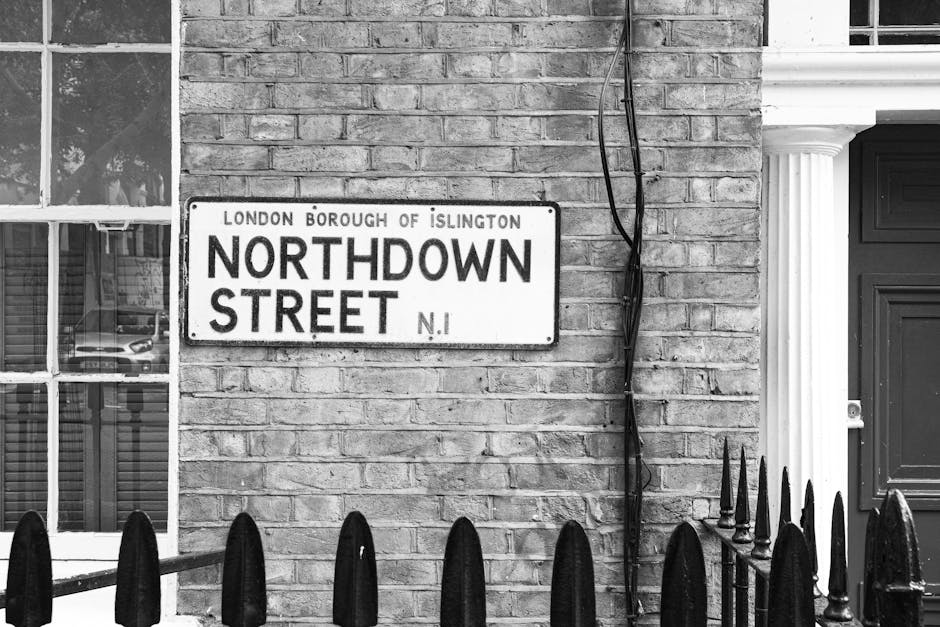
Islington Council parking rules for moving vans: a practical guide for moving day
Moving house or office in Islington can feel straightforward right up until the van arrives and parking becomes the real headache. Narrow streets, resident bays, loading restrictions, busy morning traffic, and a van that is a little bigger than you hoped for - it all adds up fast. If you are trying to understand Islington Council parking rules for moving vans, this guide breaks it down in plain English so you can plan properly, avoid unnecessary stress, and reduce the risk of tickets or delays.
In our experience, the biggest problems on moving day are rarely about lifting boxes. They are usually about access, timing, and parking. That is why it helps to think about your vehicle, your loading spot, and the council rules as part of the move itself, not an afterthought. Let's get into the detail.
Why Islington Council parking rules for moving vans Matters
Parking rules matter because a moving van is not just another vehicle circling the block. It needs space, time, and usually a decent run at the front door. In Islington, where streets are often tight and parking demand is high, even a small misunderstanding can cost you time and money. A van double-parked "just for ten minutes" can quickly become a problem if it blocks traffic, sits in the wrong bay, or overstays a permitted loading period.
This is especially important if you are moving from a flat, a basement property, or a street with controlled parking. Islington is full of real-world complications: residents' bays, permit-only zones, suspended spaces, timed restrictions, and roads where a large removal vehicle can be awkward to place safely. You do not want the driver improvising while your sofa is halfway down the stairwell. Trust me, that is not the sort of calm anyone is after.
Good parking planning also protects the rest of the move. If the van has to park far away, carrying distance goes up, loading takes longer, and the risk of damaged furniture increases. For businesses, the stakes can be even higher. A delayed office removals job can affect staff access, client meetings, and building management rules in one go. For domestic moves, careful planning is just as useful, especially if you are using man and van support or a larger moving truck.
How Islington Council parking rules for moving vans Works
At a practical level, Islington Council parking rules for moving vans usually come down to three things: where the vehicle can stop, how long it can stay, and whether any special restriction applies. That may sound simple, but in London, the details are where most people trip up. A loading bay can be fine at one time of day and restricted at another. A bay that looks usable may actually be permit-only. And a space that seems perfect might be suspended because of works, a skip, or another booking.
The safest approach is to treat the move as an access plan, not just a parking decision. If you are arranging house removals or planning a smaller move with a removal van, check the exact street, the likely vehicle size, and whether the front of the property allows legal stopping for loading. If the building has a concierge, estate rules, or a narrow access lane, those may matter as much as the road outside.
There is also a difference between a vehicle stopping to load and a vehicle parking. People often use those terms interchangeably, but councils and enforcement officers do not always see them that way. Loading is often treated more leniently, but only when it is genuine, continuous, and within the applicable rules. That is why moves that involve boxed-up belongings, furniture, and repeated trips are easier to justify than a van parked with nobody nearby.
If you are not sure what applies, it is worth speaking with a removal provider early. For larger jobs, especially where a truck is involved, you may want to compare removal truck hire options against a smaller vehicle setup. Sometimes the smaller vehicle is the more sensible choice in Islington. Not always. But often enough that it deserves a proper look.
Key Benefits and Practical Advantages
Getting the parking side right has a surprisingly big impact on the move itself. Here are the main advantages:
- Less risk of fines or enforcement action because the vehicle is parked or loading legally.
- Faster loading and unloading when the van is positioned close to the entrance.
- Lower handling risk for heavy items, awkward furniture, and fragile boxes.
- Better timing for building access, lift bookings, and neighbour considerations.
- Less stress on the day, which sounds minor until you are trying to carry a mattress down a stairwell in the rain.
There is also a quality-of-service benefit. If you are using a reputable removal services provider, they will usually factor access into the plan early. That is not just about convenience. It can affect the size of team required, the time slot booked, and whether your move can be completed in one visit or needs more than one run.
For people handling a smaller move, the parking advantage may be the difference between a simple, efficient transfer and a day that drags on far too long. If you are a student moving between rooms, or you are downsizing from a flat, this matters even more. A good parking plan can save you a lot of legwork - literally. And nobody wants to carry a bookcase the long way round because the van ended up on the next street.
Who This Is For and When It Makes Sense
This topic is relevant to anyone moving in or out of Islington, but some groups feel the parking pressure more than others.
- Home movers who need close access for furniture, boxes, and appliances.
- Flat movers dealing with limited frontage, stairs, or shared entrances.
- Businesses planning deliveries, office clear-outs, or team relocations.
- Students moving in or out on a tight schedule with fewer hands on deck.
- People using a man and van service where one vehicle must do all the work efficiently.
It also makes sense for anyone who is trying to compare move options. For example, if you are choosing between a smaller van and a larger lorry, the parking environment may decide it for you. In a very tight street, the lower-friction choice is often a smaller vehicle. In other cases, one larger vehicle that can load once may be better than several smaller trips. There is no one-size-fits-all answer, which is a bit annoying, but that is London for you.
Commercial moves have their own layer of complexity. If your office is in a busy part of Islington, the need to coordinate access can make commercial moves very different from a simple domestic relocation. You may need to think about staff access, business hours, freight entrances, and the building manager's instructions as well as the parking layout outside.
Step-by-Step Guidance
If you want a calmer moving day, the best thing you can do is build the parking plan early. Here is a simple process that works well in practice.
- Check the property access first. Measure the width of the street, note the distance from road to door, and look for barriers, bollards, or yellow lines.
- Identify the likely stopping point. Think about where the van can legally load without blocking traffic or crossing a restriction.
- Check the timing window. Some streets have short loading opportunities or restrictions at peak times.
- Confirm vehicle size. A van that fits one street may be awkward in another. Bigger is not always better.
- Consider building rules. Flats, estates, and offices may have their own access arrangements.
- Plan the loading sequence. Put the heaviest or most awkward items near the door first if access is tight.
- Build in buffer time. A move in Islington can take longer than the same job in a suburban setting. That is normal.
One thing people often miss: think about the arrival order. If the team shows up before the parking space is available, they may have to wait, circle, or unload in stages. That creates avoidable friction. A better approach is to time the van, the helpers, and the access window together.
If your move involves packing services as well, it can help to use packing and boxes support before the day itself. Well-packed items are easier to load quickly, which makes the parking time less pressured. Simple, really - but very effective.
Expert Tips for Better Results
These are the small details that tend to separate a smooth move from a messy one.
- Aim for the shortest legal walking route. If the van is parked one street away, the job becomes physically harder and slower.
- Keep essentials near the door. Keys, documents, kettle, chargers, and toiletries should be easy to reach before the van leaves.
- Use a vehicle sized to the road, not just the volume of the move. A compact van can sometimes outperform a bigger one in inner London streets.
- Label fragile and priority items clearly. This helps if the load needs to be done in a hurry.
- Have one person responsible for access. Too many people making parking decisions at once is, to be fair, rarely a good recipe.
Here is a tiny but useful human habit: take photos of the street layout and any signs before moving day, ideally the evening before. Morning traffic changes everything, but those pictures can be a surprisingly handy reference when the driver arrives and the road feels suddenly busier than expected.
If you are dealing with a particularly awkward property, ask about backup options like storage or a staggered move. That can reduce pressure if parking is tight and you cannot clear everything in one visit. Sometimes the least dramatic option is the best one. Not glamorous, but sensible.
Common Mistakes to Avoid
Most parking problems are predictable once you have seen a few moves. The good news is that they are avoidable.
- Assuming a loading bay is free. It may have time limits, permit conditions, or existing restrictions.
- Leaving parking decisions to the last minute. That usually leads to rushed choices and more walking.
- Ignoring suspension signs or temporary changes. Streets can change quickly because of works, events, or local access needs.
- Using a vehicle that is too large for the street. This can create delays, blocking issues, or a move that feels far harder than it needs to.
- Not factoring in the weather. A wet July morning or a cold winter afternoon can make short loading distances much more valuable.
Another common mistake is forgetting that parking rules and moving-day practicality are linked. A cheaper-looking option can cost more in time, labour, and inconvenience if the van cannot stop near the entrance. That is why the parking conversation should happen before you book, not after. It sounds obvious when written down, but people still get caught out. Happens all the time.
If you are comparing providers, ask whether they understand local access constraints and whether they can advise on vehicle choice. A good removal companies choice should feel calm and specific, not vague and hopeful.
Tools, Resources and Recommendations
You do not need a complicated toolkit, but a few practical aids make the planning easier:
- Street photos for showing the driver or team the access point in advance.
- A simple floor plan so the crew knows which items go out first.
- Boxes or labels to keep loading organised.
- Notebook or move checklist for timing, keys, and building contact details.
- Vehicle dimensions if you are deciding between van sizes.
For many people, the best recommendation is still to speak to a removals provider before making assumptions. If the move is small and flexible, a man with van arrangement may be enough. If the property is larger or the access is trickier, a more structured service can be safer and less stressful. Sometimes the right answer is obvious once the street is reviewed. Sometimes it is not. That is normal.
If you are still shaping the move, it can help to read about the wider approach to home moves or flat removals. Those pages can give you a better sense of how access, loading, and planning fit together. For smaller, flexible jobs, same-day removals may also be worth considering when timing is tight, though parking still needs the same careful attention.
Law, Compliance, Standards, or Best Practice
This part is where caution matters. Parking enforcement, loading rules, and vehicle stopping restrictions can vary by street, time, and signage. It is always safest to treat the road markings and local signs as the first source of truth and to avoid assuming that a quick stop is automatically acceptable. If a street is controlled, restrictions may apply even if the van is only there for a short time.
From a best-practice point of view, the goal is simple: park legally, load efficiently, and reduce disturbance to others. That means keeping access clear, not blocking sightlines, and not leaving a vehicle where it creates avoidable risk. In practical terms, a moving van should never be treated as a "temporary excuse" to ignore the rules. Councils and enforcement officers tend not to find that argument especially persuasive. Fair enough, really.
It is also worth remembering that some properties have internal rules that sit alongside council parking controls. Estates, commercial buildings, managed blocks, and shared courtyards may require advance notice or a booking slot. That is separate from council parking rules, but it matters just as much on moving day.
If you want a provider that understands these practical and compliance layers, look for clear communication, sensible planning, and support with access issues. The best moving outcomes usually come from good preparation rather than last-minute heroics.
Options, Methods, or Comparison Table
Different move setups suit different streets. Here is a simple comparison to help you think through the parking side.
| Option | Best for | Parking advantage | Potential drawback |
|---|---|---|---|
| Small removal van | Studios, one-bedroom flats, light loads | Easier to place on narrow streets | May need more trips if the load is large |
| Standard moving van | Typical home moves | Good balance of capacity and manoeuvrability | Can still be awkward in tighter Islington roads |
| Larger removal truck | Full house moves or office relocations | Can reduce the number of journeys | Harder to park and more sensitive to street access |
| Man and van service | Flexible, smaller, or time-sensitive jobs | Often best for tight access and quick loading | May not suit bulky or very large moves |
To be fair, the table only gives you the broad picture. The real answer depends on your exact street, the amount of furniture, and how much walking the team would need to do if the vehicle cannot stop outside. A short move with a clever parking plan can beat a large vehicle every time.
Case Study or Real-World Example
Imagine a couple moving from a first-floor flat near a busy Islington side street on a weekday morning. They have a sofa, a bed frame, several boxes, and a dining table. On paper, it looks like a straightforward move. In reality, the road has tight parking, a loading pattern that changes by time of day, and limited space outside the entrance.
Instead of bringing the biggest possible vehicle, they choose a smaller van that can stop closer to the building. They keep their boxes packed the night before, leave a clear route from the front room to the door, and make sure one person is available to guide loading while the other finishes a final sweep of the flat. The result? Less walking, faster loading, fewer awkward pauses, and a much calmer day. Not perfect, of course - there is always a lost sock or a stubborn drawer somewhere - but far better than improvising.
This kind of move works because the parking plan matches the street reality. That is the real lesson. In Islington, the smartest move is usually the one that respects the road as much as the property.
Practical Checklist
Use this quick checklist before moving day.
- Confirm the full address and exact access point.
- Check the street for loading restrictions, bays, or suspensions.
- Decide whether a van, removal van, or larger truck is realistic.
- Tell the moving team about stairs, lifts, narrow hallways, or shared entrances.
- Keep boxes labelled by room and priority.
- Plan who will guide the van on arrival.
- Allow extra time for traffic and parking manoeuvres.
- Have keys, access codes, and contacts ready.
- Prepare for rain, if needed. London being London, that is not exactly a wild assumption.
- Confirm any building rules or booking slots in advance.
Expert summary: the safest way to handle Islington Council parking rules for moving vans is to plan access early, match the vehicle to the street, and keep the loading process efficient. That combination saves time, reduces risk, and makes the whole move feel a lot less fraught.
Get a free quote today and see how much you can save.
Conclusion
Islington Council parking rules for moving vans are not something to guess at on the morning of the move. In a borough where streets are busy and access can change fast, the best results come from proper planning, realistic vehicle choice, and a clear understanding of where the van can legally stop. Once you get those basics right, everything else tends to fall into place more easily.
Whether you are moving a single room, a full family home, or a business premises, the same principle applies: treat parking as part of the move, not a side issue. That one mindset shift can save time, reduce frustration, and make the day feel much more under control. And honestly, that is what most people want at the end of the day - a move that just gets done, cleanly and calmly.
If you are ready to take the next step, start by checking your access, thinking about the right vehicle, and getting support from a team that understands Islington's practical realities. Small details matter here. They really do.
Frequently Asked Questions
Can a moving van park outside my house in Islington?
Sometimes, yes - but only if the road layout, signage, and restrictions allow it. In many Islington streets, parking outside the property may be possible for loading, but not for unrestricted parking. Always check the exact bay type and timing first.
Do Islington Council parking rules for moving vans allow loading and unloading?
Loading and unloading may be allowed in some situations, but the details depend on the road, the markings, the time of day, and whether the activity is genuine and continuous. Do not assume a short stop is automatically fine just because it is for a move.
What is the best vehicle size for moving in Islington?
There is no universal answer. For narrow streets and flat moves, a smaller van is often easier. For larger house moves, a bigger vehicle can reduce trips, but parking may be harder. The street itself often decides what makes sense.
Do I need to book parking with the council for a moving van?
Not always, but in some cases it may be sensible or necessary depending on the type of restriction and the location. If you are unsure, check the street rules well before the move rather than leaving it to the day itself.
What happens if the moving van gets a ticket?
That depends on the exact situation and the reason for enforcement. A ticket can add avoidable cost and delay, so the best approach is prevention: check signs, plan access, and make sure the vehicle is placed legally.
Can a removal truck fit on Islington streets?
Sometimes, but not always comfortably. A larger truck may be practical for some properties and awkward for others. If the street is tight, a smaller vehicle or a shuttle-style approach can be more realistic.
How far in advance should I plan parking for moving day?
As early as possible. A few days in advance is better than a few hours. That gives you time to review restrictions, speak to your mover, and adjust the vehicle plan if needed.
Are flat removals in Islington harder because of parking?
Often, yes. Flat removals can involve stairs, limited frontage, and less room for stopping. If you are moving from a flat, parking and access are usually just as important as the packing itself.
What if I only need a short loading stop?
Even a short stop can cause issues if the space is restricted. The key is whether the stop is legal and consistent with the local rules. Short does not automatically mean permitted.
Should I choose a man and van service for a local move?
For smaller loads or tight streets, a man and van setup can be a practical choice because it is often easier to manoeuvre and quicker to load. For larger homes or bulkier items, you may need something bigger.
How do I avoid parking problems on moving day?
Check the street rules early, pick the right vehicle size, leave buffer time, and make sure everyone knows where the van can stop. That simple plan prevents most of the stress people run into.
What should I do if my building has strict access rules?
Tell your removal provider straight away and share any booking requirements, access codes, or loading instructions. Building rules can be just as important as council parking rules, and sometimes more so in practice.